ENTRY DEADLINE: 9/24/26
JURY DATES: 9/25/26 - 10/5/26
CASH PRIZES: $1000 First Place | $500 Second Place
EXHIBITION: 12/10/26 - 3/21/27
OPENING RECEPTION: 12/10/26
NOTIFICATION: 10/6/26 - 10/8/26
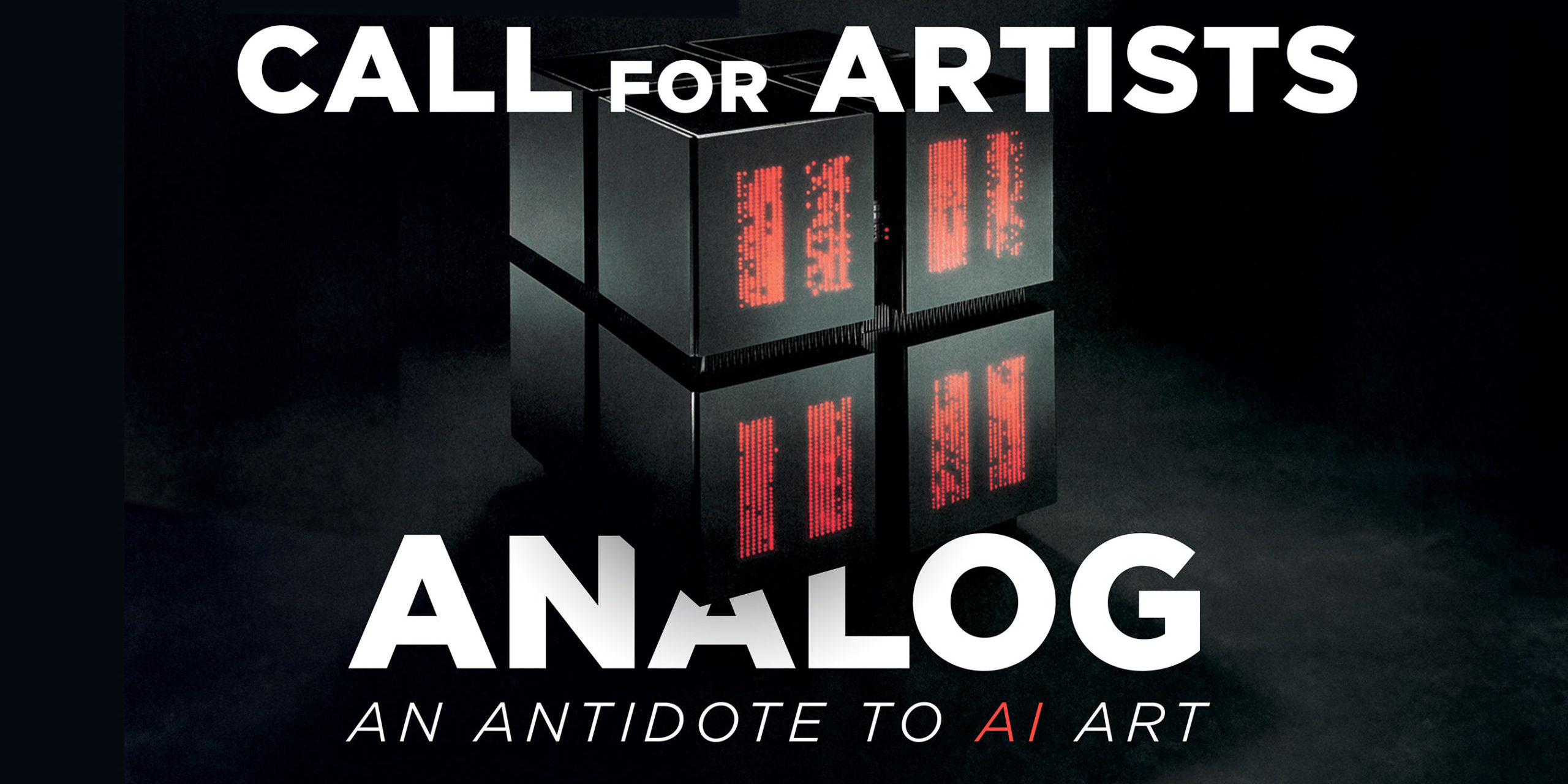
CALL FOR ARTISTS
In an era shaped by artificial intelligence, Analog: An Antidote to AI Art celebrates the enduring power of human imagination, intuition, and authentic artistic expression. This exhibition invites artists whose work reflects the distinctly human experience of making, embracing experimentation, imperfection, memory, materiality, and lived experience. Rather than rejecting technology, Analog asks a timely question: What makes art unmistakably human? We welcome original work in all visual art media and genres, including painting, sculpture, ceramics, printmaking, textiles, fiber, photography, installation, mixed media, assemblage, drawing, book arts, jewelry, sound art, olfactive art, biophilic practices, and other forms that demonstrate personal vision and meaningful engagement with materials and process.
As AI-generated imagery becomes ubiquitous, Analog turns our attention to what algorithms cannot replicate: intuition, vulnerability, touch, chance, personal history, and the countless decisions embedded in the creative process. The exhibition celebrates originality as an expression of curiosity, resilience, and the uniquely human impulse to make meaning from the world around us. We seek work that reveals touch, struggle, experimentation, art that reflects the imperfect, unpredictable, and deeply personal nature of human creation.
HOW TO SUBMIT
Entry fee: $40 for 5 images
Additional $5 per image after your fifth image. (max 10 images)
Application Requirements
- All work must be original, designed, and created by the artist applicant.
- All media welcome.
- Work needs to arrive at the gallery ready to hang but framing is not required. Magnets, clips, and other methods can be used.
- There is no size restriction for this exhibition.
- Works created wholly or partially through generative AI are not eligible for this exhibition.
Submit your images and other materials online via CaFÉ. Only digital images uploaded to CaFÉ will be accepted and reviewed. Physical submissions delivered to the Art Museum will not be reviewed.
Submitted work must be available for the duration of the exhibition.
Submitted images must be the same as the works intended for the exhibition. Unfinished or “like” work will not be considered. Work that has been modified from the original image submitted will not be accepted. Do not include borders or backgrounds in images, as this only reduces the size of your artwork for viewing by jurors.
Large-scale work is welcome; however, due to the limited size of our gallery spaces, the selection of larger works may impact the number of works that can be included in the exhibition. Jurors will consider scale and available space when making selections, with the goal of creating a balanced and cohesive presentation of the exhibition as a whole.
Eligibility Criteria
-
All artists are encouraged to apply. New Bedford Art Museum values the arts as a universal language and recognizes it is crucial to be an organization that integrates equity, diversity, inclusion, and access into everything we do.
-
All media are welcome, with the exception of works created wholly or partially using artificial intelligence (AI). Generative AI works are not eligible for this exhibition
ABOUT THE JUROR
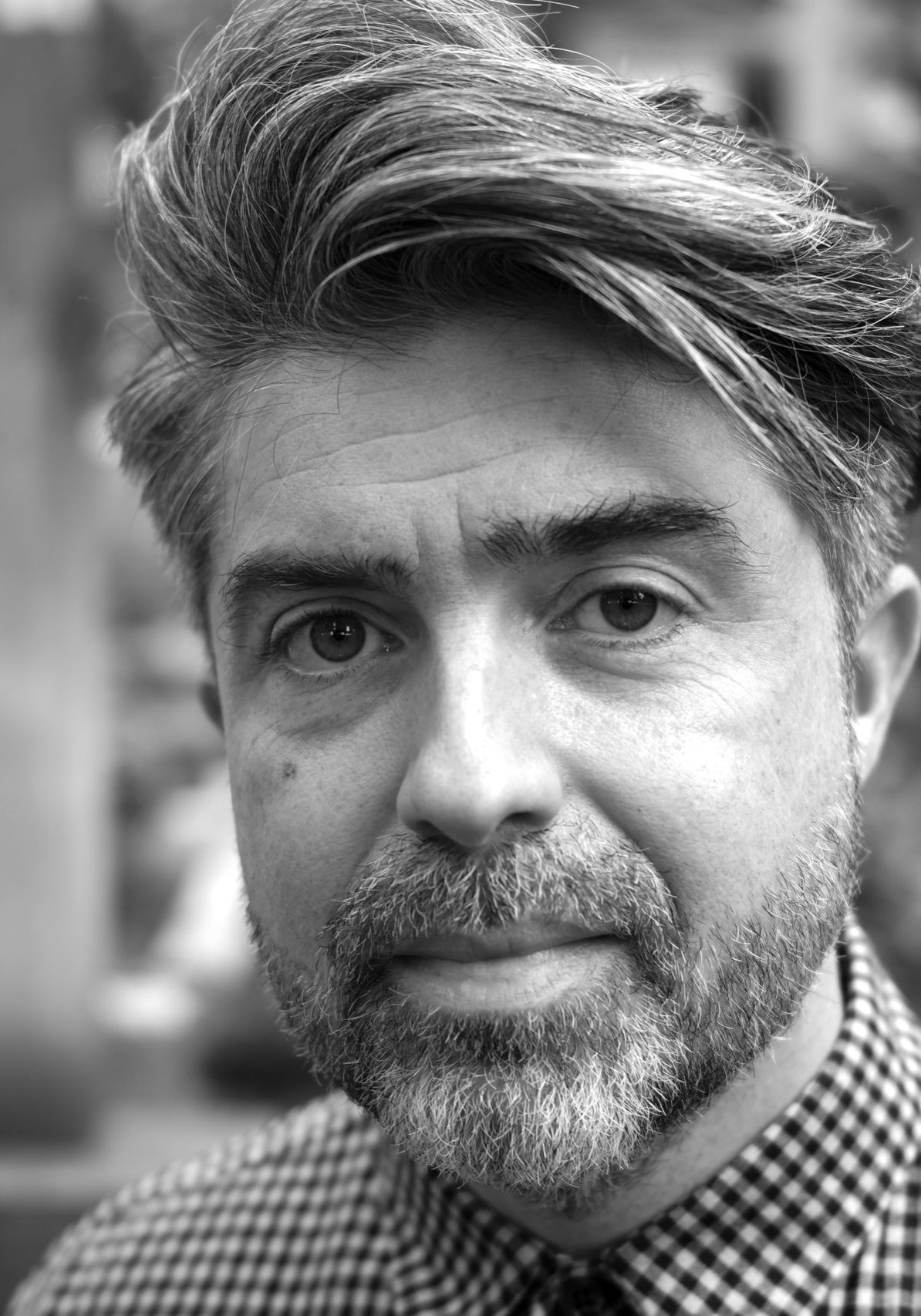
Roddy Schrock is a sound artist and institution-builder who has spent his career on a single question: what does it actually take to build the conditions under which transformative work can exist, and endure? Trained at Mills College (MFA in Electronic Music and Recording Media) and the Institute of Sonology in The Hague, he has performed across Japan, Europe, South America, and the United States, with commissions from Meet the Composer and Ostrava New Music Days and essays published by MIT Press and Hyperallergic. For a decade he directed Eyebeam, New York's center for art and technology, where he grew direct support to artists more than 500%, made it the first residency certified by W.A.G.E. for fair pay, and supported the launch of the Eyebeam Center for the Future of Journalism, whose commissions garnered a Pulitzer Prize–winning investigation. He has taught in SVA's Curatorial Practice MA program and at STEIM Amsterdam, CCA, and NYU's ITP, and created Informer, a podcast of conversations with artists and thinkers. Now Executive Director of the New York Zen Center for Contemplative Care, he also runs Ultradilute, a practice tending the whole health of artists and creative leaders, and advises OPEN and the Netherlands-America Foundation's Cultural Committee. He lives and works between New York and Providence, Rhode Island.