
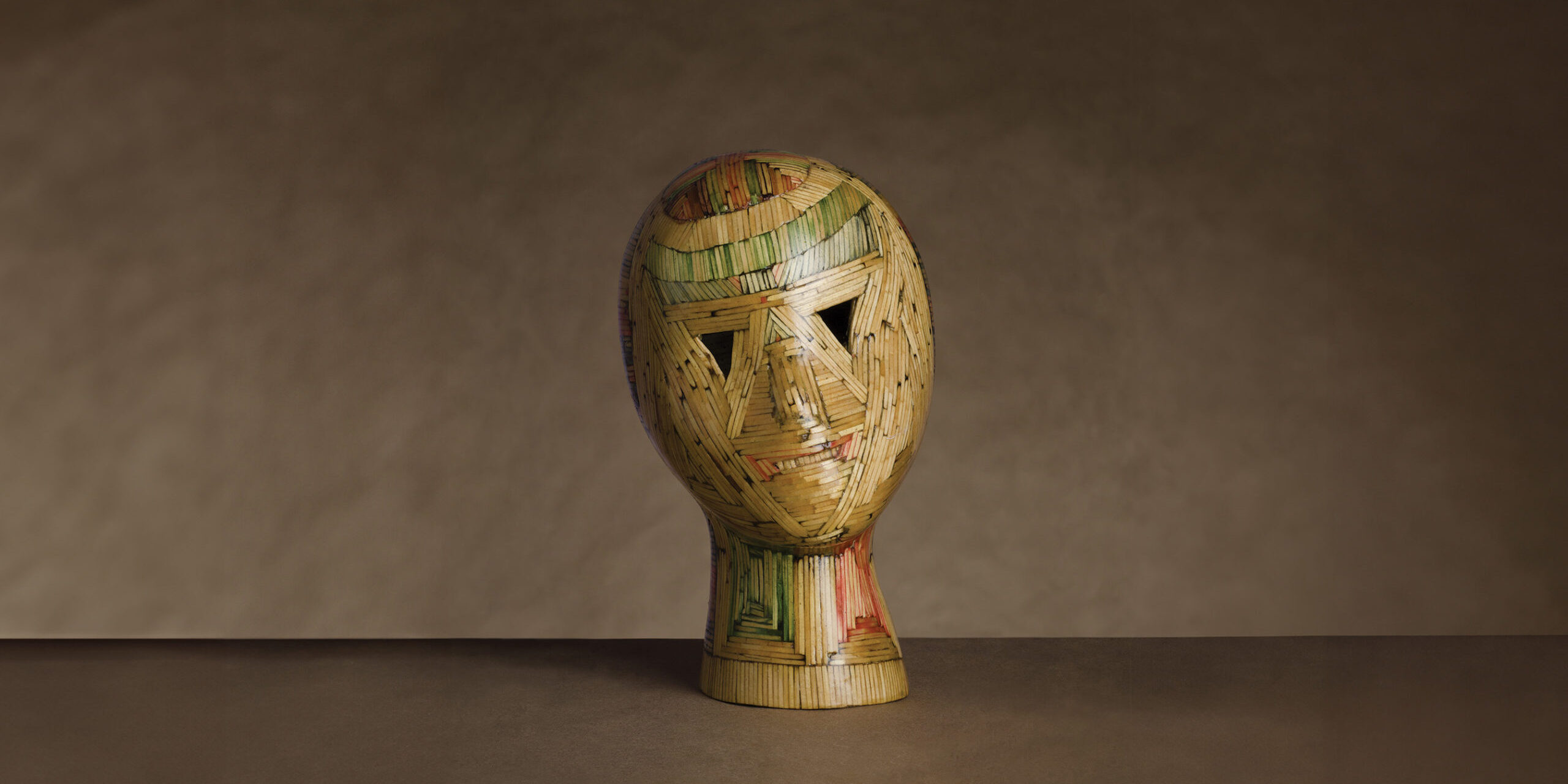
head Long

Gerald Hawkes, My Becky, Woman of the Year 1988

Intuitive: A Survey of Visionary Art

NOVEMBER 5, 2026 - MARCH 14, 2027

Intuitive: A Survey of Visionary Art celebrates self-taught artists whose distinctive practices are shaped by personal experience, imagination, and independent exploration. Working outside conventional academic traditions, these artists develop individual visual languages and approaches to materials, often drawing inspiration from dreams, spirituality, memory, and the world around them. Their work challenges established definitions of art and expands our understanding of artistic expression.


Bringing together 30 artists from across the globe, the exhibition explores the remarkable range of intuitive art-making. From transformed found materials and invented iconographies to deeply personal explorations of identity and belief, the works reflect diverse cultural backgrounds, life experiences, and creative perspectives.


Local visionaries Duane Barton, Ellen Langer, Bill Shattuck, and Peter C. Stone are presented alongside nationally recognized figures including Nek Chand, Thornton Dial, Howard Finster, Martín Ramírez, and Judith Scott. Together, these artists offer a compelling survey of visionary art, inviting visitors to encounter imaginative worlds that defy convention and reveal the boundless possibilities of creative expression.
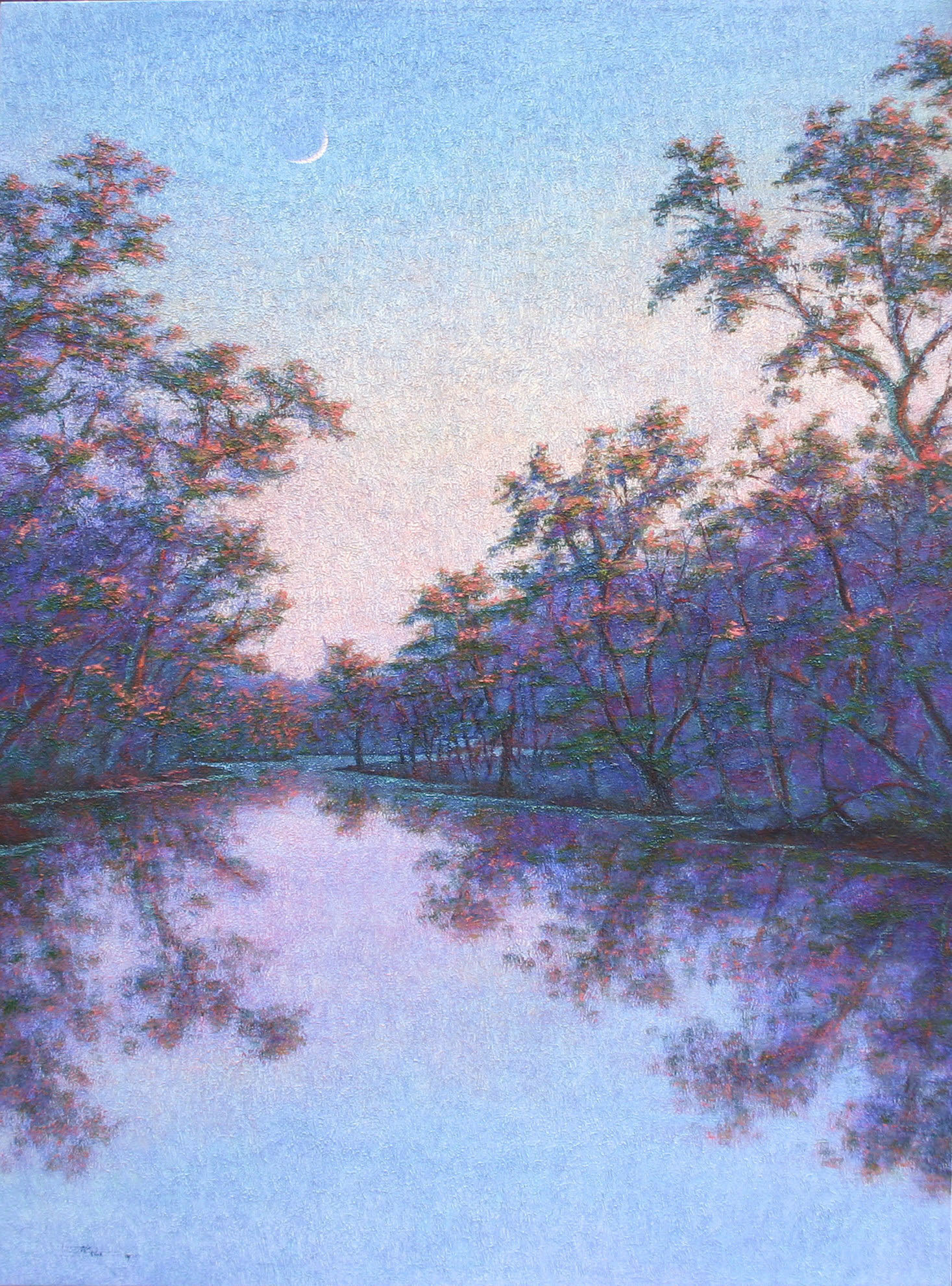
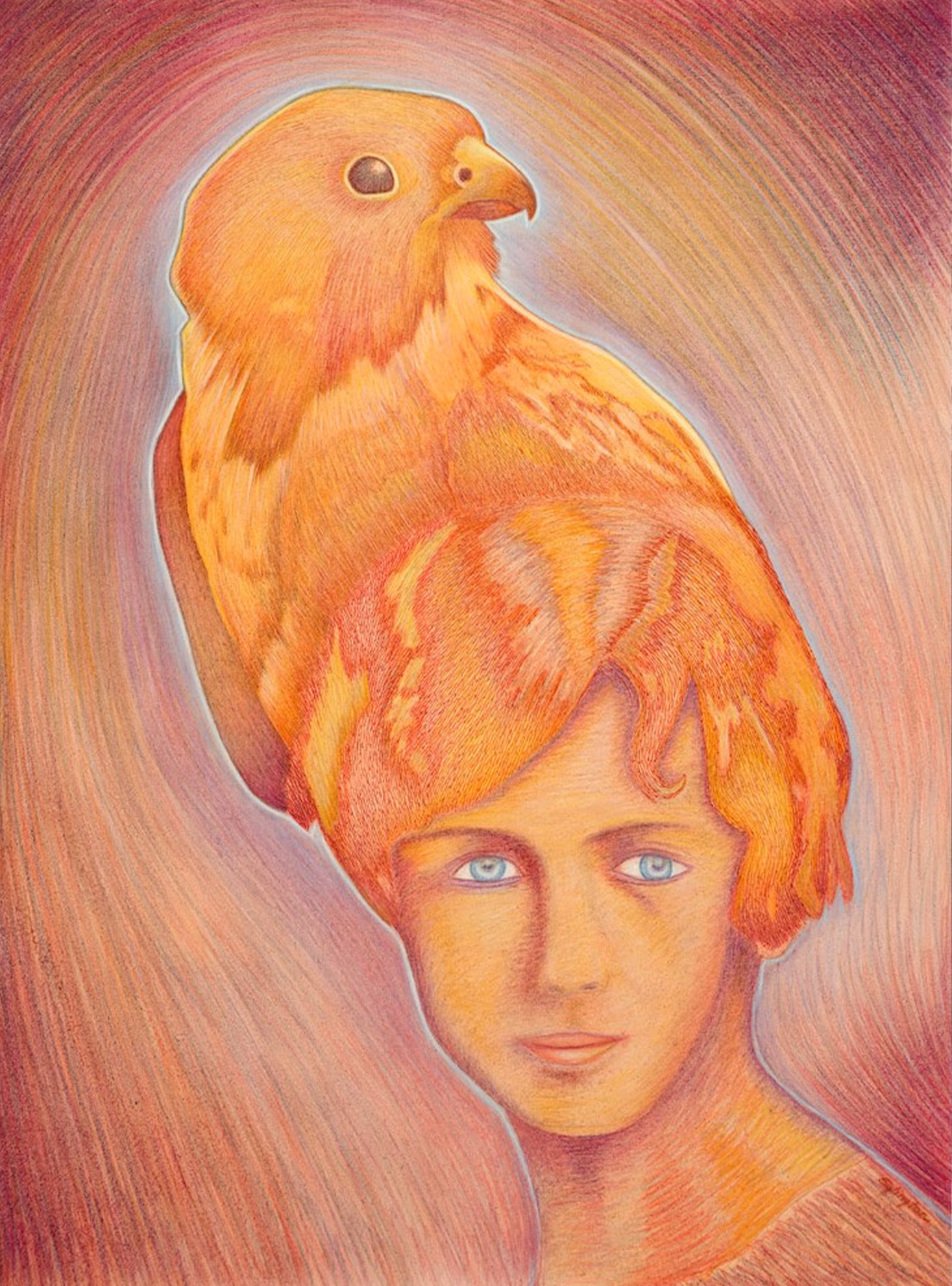
P Stone 1
Rachel web

Peter C. Stone

Midsummer

Oil

60 x 45 in.

Peter Eglington

Rachel, 2015

Mixed media on canvas

40 x 30 in. 

Courtesy of The American Visionary Art Museum (Gift of the artist)
ARTIST BIO
Artist Bio

Since 1983, artist/author/educator Peter C. Stone has presented more than sixty solo shows and over one hundred group exhibitions at galleries and museums in the United States, Canada, and England, including Art Expo New York, the Royal Academy of Arts, London, the Peabody Essex Museum, and the DeCordova Museum. A knowledgeable educator whose enthusiasm for observing the natural world is contagious, Peter serves on the Art and Nature Committee of the Peabody Essex Museum and as an Advisor to the Board of the Florida State University Coastal Marine Laboratory. His “dreamy…evocative” (School Library Journal) paintings and books explore the evolutionary wisdom and interconnectedness of endangered creatures, cultures, and ecosystems.

His illustrated work, Waltzes with Giants, The Twilight Journey of the North Atlantic Right Whale (Skyhorse, 2012), is a moving portrait of one of earth’s largest endangered mammals, a winner of the USA Best Book Awards for Children’s Hardcover Non-Fiction, and a selection of the Children’s Book-of-the-Month Club. “A stunning, shocking, beautiful book.” (Amazon Reviews)

His book, Dreams to Dance in Moonlight (Outskirts, 2014), is a Foreword Reviews’ INDIEFAB Book of the Year Awards Finalist. “Stone weaves language that hypnotizes…” (BlueInk Review), “the most exquisite verse…the most beautiful visions…” (Readers’ Favorite Book Reviews).

Publishers Weekly has called Peter’s luminous canvases “…sumptuous… beyond the tactile into a nearly mystical realm…”

ARTIST BIO
Artist Bio

Peter Eglington (b. 1952, New South Wales, Australia) is a contemporary visionary artist whose complex, high-density mixed-media works explore the intersections of sacred geometry, indigenous cosmology, and environmental triage. Raised within the ancient volcanic topography of Mount Warning’s caldera, Eglington’s early life was deeply informed by the ecology of the Australian bush and the cultural traditions of the region's indigenous peoples. This foundational immersion in the natural world established a lifelong artistic inquiry into the symbiotic relationship between humanity and the biosphere.

Coming of age during the countercultural shifts of the late 1960s and early 1970s, Eglington initially trained as a photographer for the Australian Broadcasting Corporation before embarking on a decades-long nomadic research period. Influenced by the radical graphic expansions of contemporary psychedelic art and album iconography—notably the work of Abdul Mati Klarwein—he spent the 1970s and early 1980s traveling extensively throughout Asia. He initially lived with a prominent Balinese Brahmin artist family before further exploring Java and Sumatra, as well as cultural complexes of other South East Asian nations, eventually continuing deeper research in the Indian subcontinent, including Sri Lanka, Nepal and Afghanistan, with considerable time spent in the Himalayas.

As the 21st century unfolded, Eglington found himself in the wilds of the Amazon basin as well as the Peruvian Andes. His prolonged studies in the Himalayas sparked an enduring fascination with the structural mathematics of the mandala, leading him to analyze the historical role of the artist as an anthropological conduit for community health and cosmic order.

Eglington’s practice is defined by an exacting, highly laborious technique that demands hundreds of hours of execution per canvas. He combines oil- and wax-based colored pencils with fluid acrylic pens, layering these precise mediums over a complex structural framework of photography, archival ancient imagery, liturgical text, and sacred iconography. Operating from deeply internal, meditative states of sustained focus, Eglington transcribes complex visual arrays that bridge historical ethnobotanical wisdom with futuristic, galactic perspectives.

Conceptually, Eglington’s art functions as a critical defense of the planet's eco-warriors and a formal plea for the preservation of native ecological wisdom. His conceptual framework heavily dialogues with the research of ethnobotanist Luis Eduardo Luna—who famously documented the Amazonian iconographic visions of Pablo Amaringo—as well as the aesthetic theories of art historian Dr. José Argüelles.

Eglington’s work is held in private collections spanning the Southern Hemisphere, Europe, Africa, and North America.

Following a major United States museum debut at the American Visionary Art Museum (AVAM) in Baltimore during The Great Mystery Show (2017–2018), his work has been consistently selected for major institutional exhibitions, including The Secret Life of Earth (2020–2021) and Healing and the Art of Compassion (2021–2022).

Collectors worldwide are drawn to Eglington’s pieces because they transcend mere decoration—they serve as sophisticated, visual arguments for the preservation of native ecological wisdom.

May You always walk the Sacred Path with a Radiant Heart, with ever deepening Gratitude and ever increasing Awe for Your Life, with a Powerful Healing connection to the Sacred Teacher of All That Is.

Thanks again for your time …

Peter Eglington

PAINTING

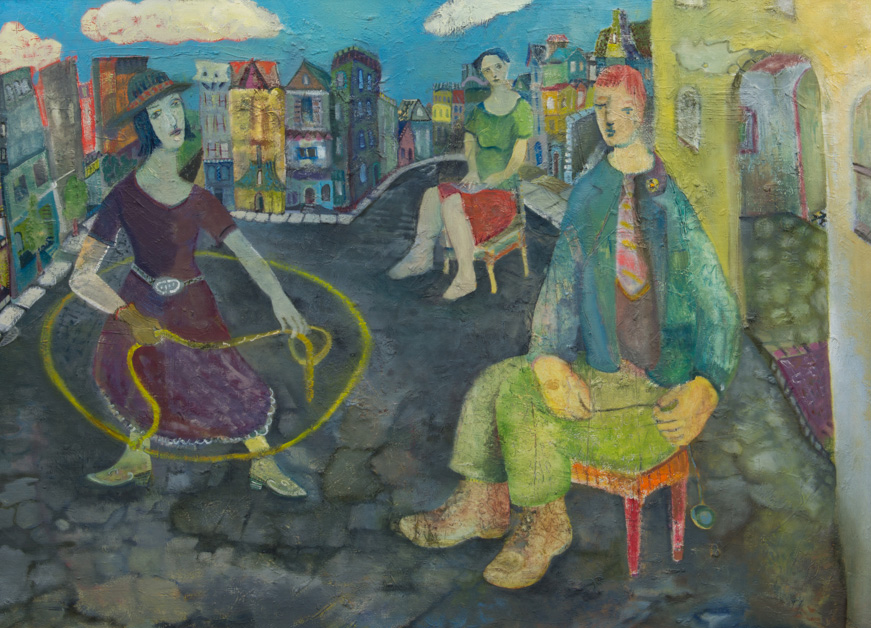
Shane Van Pelt

The Yo-Yo King Meets the Lasso Queen, 2003-2007

Acrylic on canvas

5 x 6 x 6 in.

Courtesy of The American Visionary Art Museum (Gift of Susan Yecies)
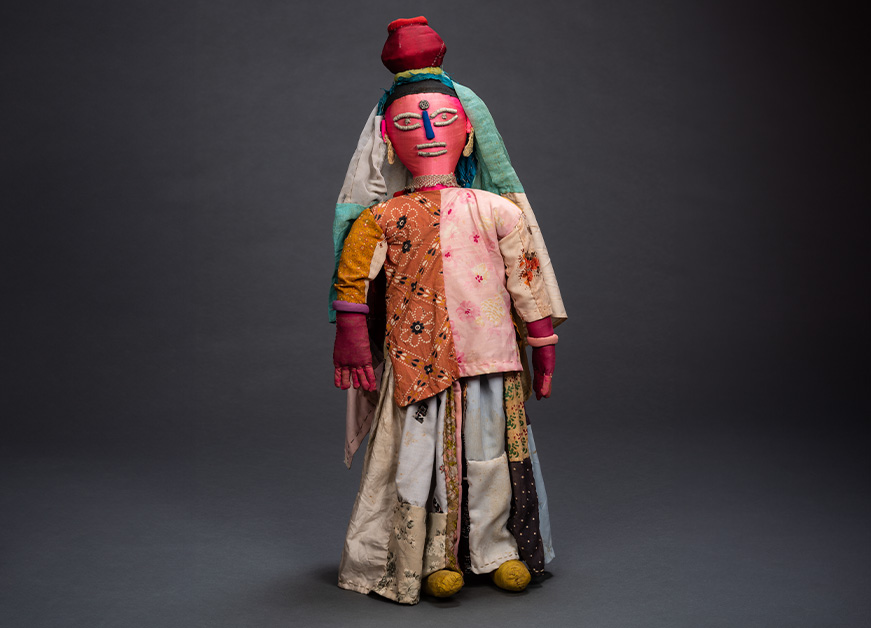
Doll

Nek Chand

Untitled

Mixed media Sculpture 

24 x 6 x 5 in.

Courtesy of The American Visionary Art Museum (Gift of Lisa Waldstein)
ARTIST BIO
Artist Bio

Van Pelt has produced hundreds of paintings and drawings. He’s a vintage motorcycle collector, boxer, outdoor enthusiast, writer, and survivor of two heart attacks. He had his first one at 29. His last one was in 2014. It’s ironic that Van Pelt has become a hero of the outsider art movement. Even today, after many years in the game, he’s not comfortable with the label. The first time Van Pelt approached art seriously was as a high school student in Yakima, Washington looking to earn a scholarship to the Art Institute of Seattle. A 10th-grade teacher had encouraged Van Pelt to focus on his drawing and apply to the Art Institute. For a kid who had seen a lot of uncertainty already in his life, this was the kind of direction he was looking for. The first time he picked up a pencil with any purpose, it was in pursuit of a formal art education.

ARTIST BIO
Artist Bio

Nek Chand was born in 1924 in the village of Berian Kala, Tehsil Shakargarh, in what is now Pakistan, and relocated to India in 1947 with his family. He eventually moved to Chandigarh, the first planned, modern "Utopian" city in India. Chand worked as a roads inspector by day, and at night he began to construct his own little kingdom in a cleared patch of jungle. He used rocks, stones, clay, and other recycled materials and debris to create figurines and landscapes to place them in. Having created figurines since childhood, Chand believed that each figurine contained the spirit of a human being, god or goddess. For years, Chand worked secretly on constructing his kingdom, yet the location he chose was in a forested area that was kept by the city as a land conservatory. In 1975, a work crew stumbled upon Chand's 12-acre paradise, and although his work on the city-owned land had been illegal, the government decided to give him a state salary and 50 workers so that he could devote himself to the Rock Garden full-time. Nek Chand's Rock Garden is now the world's largest visionary environment, with several thousand sculptures spanning more than 25-acres, and is one of the largest tourist attractions in India with over 5,000 visitors a day (second only to the Taj Mahal). At the age of 90, Nek Chand died of a heart attack in Chandigarh.

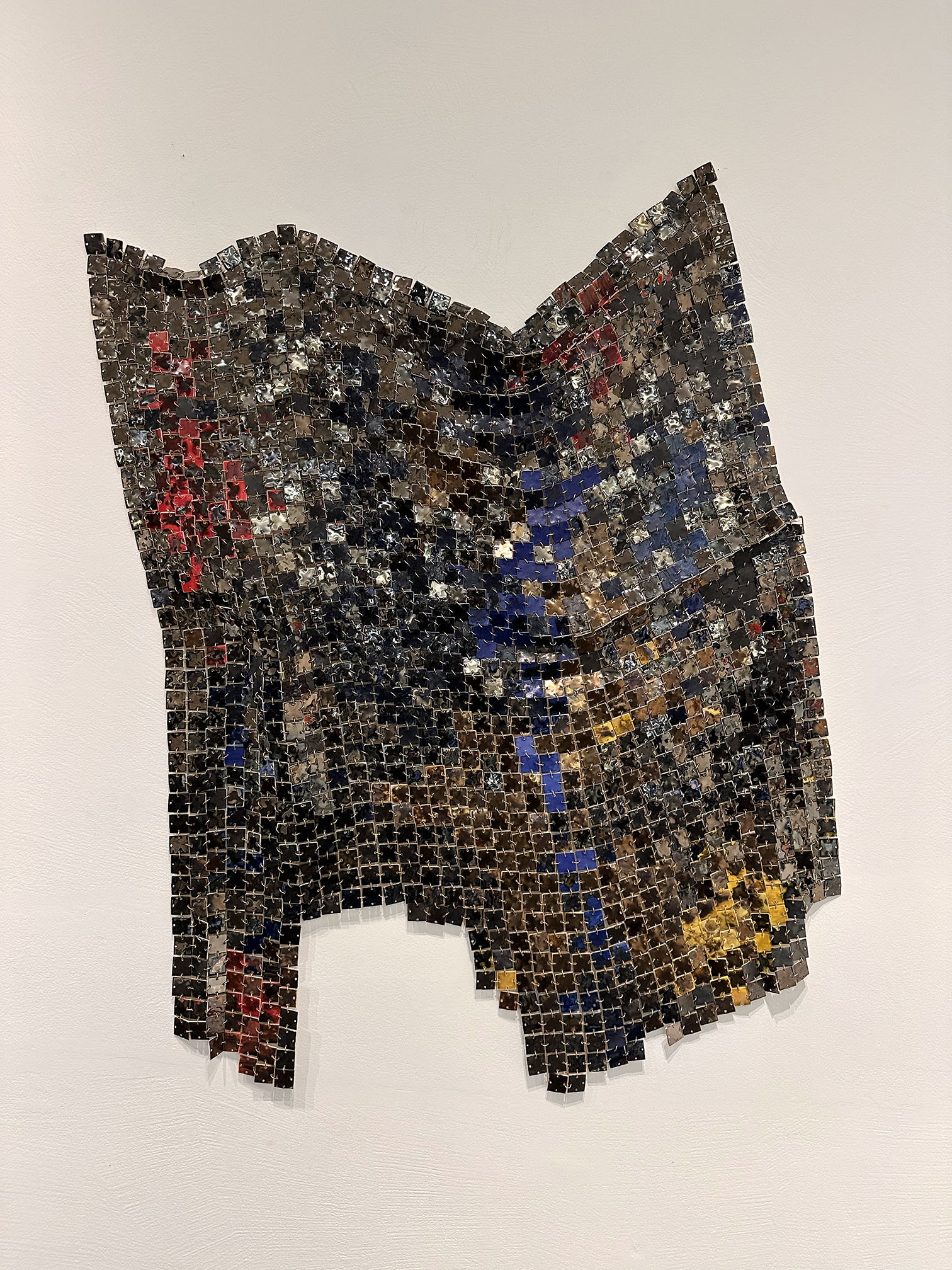
Chainmail

Stepanka Summer

The Way Through, 2026 

Porcelain, glaze, metal 

42 x 33 in.
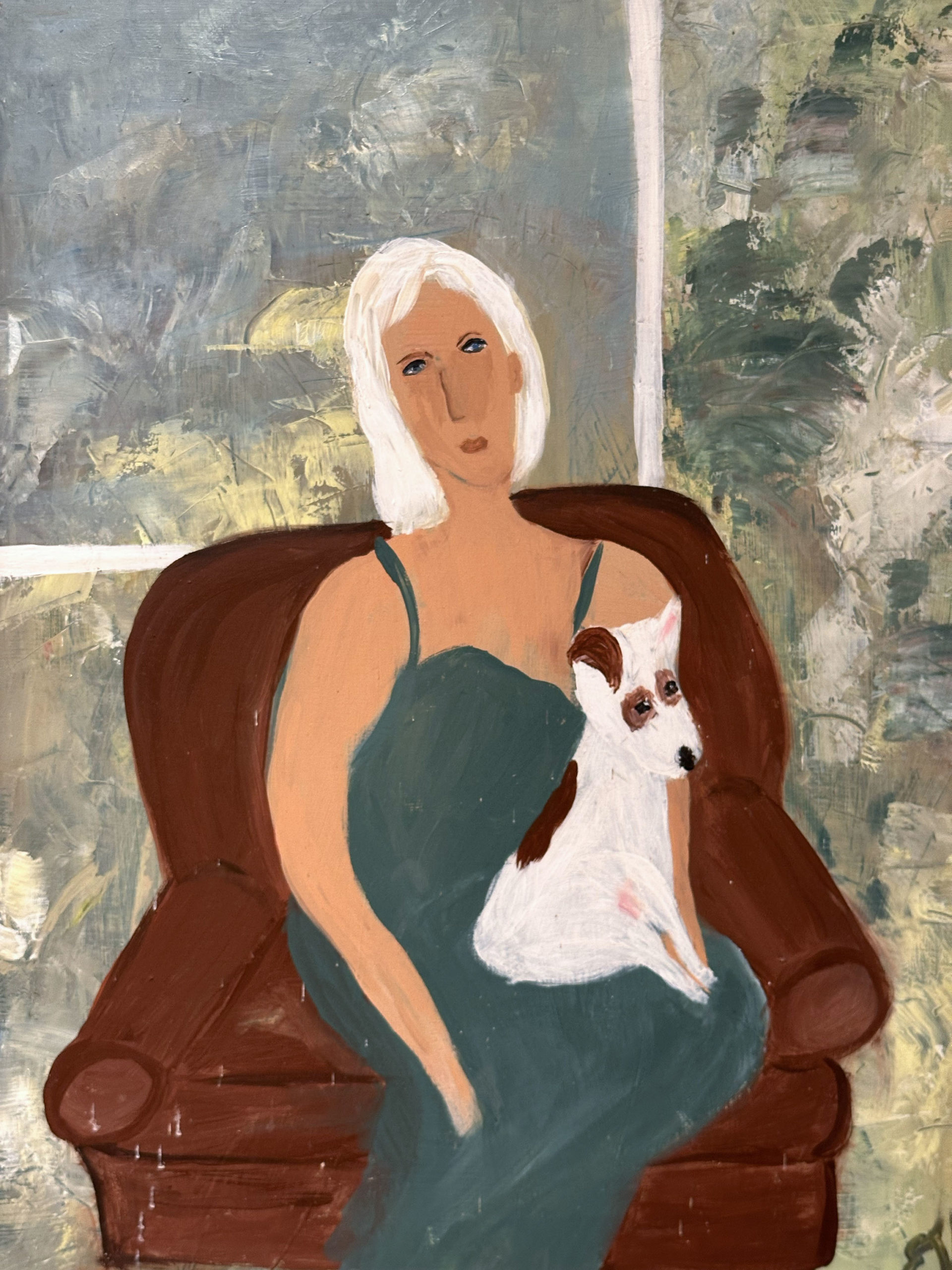
woman with dog

 Ellen Langer

Sitting Pretty, 2013

Acrylic on panel

17" x 23"


ARTIST BIO
Artist Bio

Stepanka Summer is a Czech-born, New York–based ceramic artist whose work explores porcelain beyond its traditional forms. Self-taught, she has developed a distinctive practice centered on material experimentation, translucency, movement, and transformation. Her work ranges from intimate functional objects to large-scale sculptural installations and her ongoing Porcelain Fabric series, in which hundreds of individually formed porcelain elements are joined together to create flexible, textile-like surfaces. Her work has been exhibited and collected internationally and is held in private and public collections.

ARTIST BIO
Artist Bio

Ellen Langer came to painting after a long career studying attention, and the move turned out to be less of a departure than it looked. For over four decades she has been a professor in the Department of Psychology at Harvard University, where her research concerns mindfulness: what changes when a person notices variability instead of relying on the categories habit has already supplied. Painting asks the same thing of her, without the footnotes.

Her debut was the members juried show at the Provincetown Art Association and Museum in the summer of 2001, and she exhibited at PAAM annually through 2006. She has since held solo exhibitions at the Julie Heller Gallery in Provincetown (2002, 2006, 2007, 2009, and 2012), the Borowicz Gallery in Dartmouth (2007), and Invivia Gallery in Cambridge (2013), along with two-person shows at Julie Heller in 2003 and 2005. She is represented by Julie Heller Gallery and by J&W Gallery in New Hope, Pennsylvania. Her work was the subject of a Psychology Today feature in 2001 and an interview in Provincetown Arts in 2004, and she has lectured on mindful creativity at the Museum of Fine Arts, Boston, in conjunction with an exhibition of her paintings.

Her paintings run throughout On Becoming an Artist: Reinventing Yourself Through Mindful Creativity (Ballantine, 2005), the book in which her two lives meet most directly, and they illustrate The Art of Noticing and Finding Happy as well. One appeared on the cover of American Psychologist in March 2005. Her other trade books include Mindfulness, The Power of Mindful Learning, Counterclockwise, and The Mindful Body. She has published more than 200 research articles and nine academic books, and her honors include three Distinguished Scientist awards, The Liberty Science Genius Award and a Guggenheim Fellowship.

The years since her last show went into two books and a stage musical adapted from Counterclockwise.

She is painting again, at work on the illustrations for her own Langer’s Non-Grimm Fairy Tales.

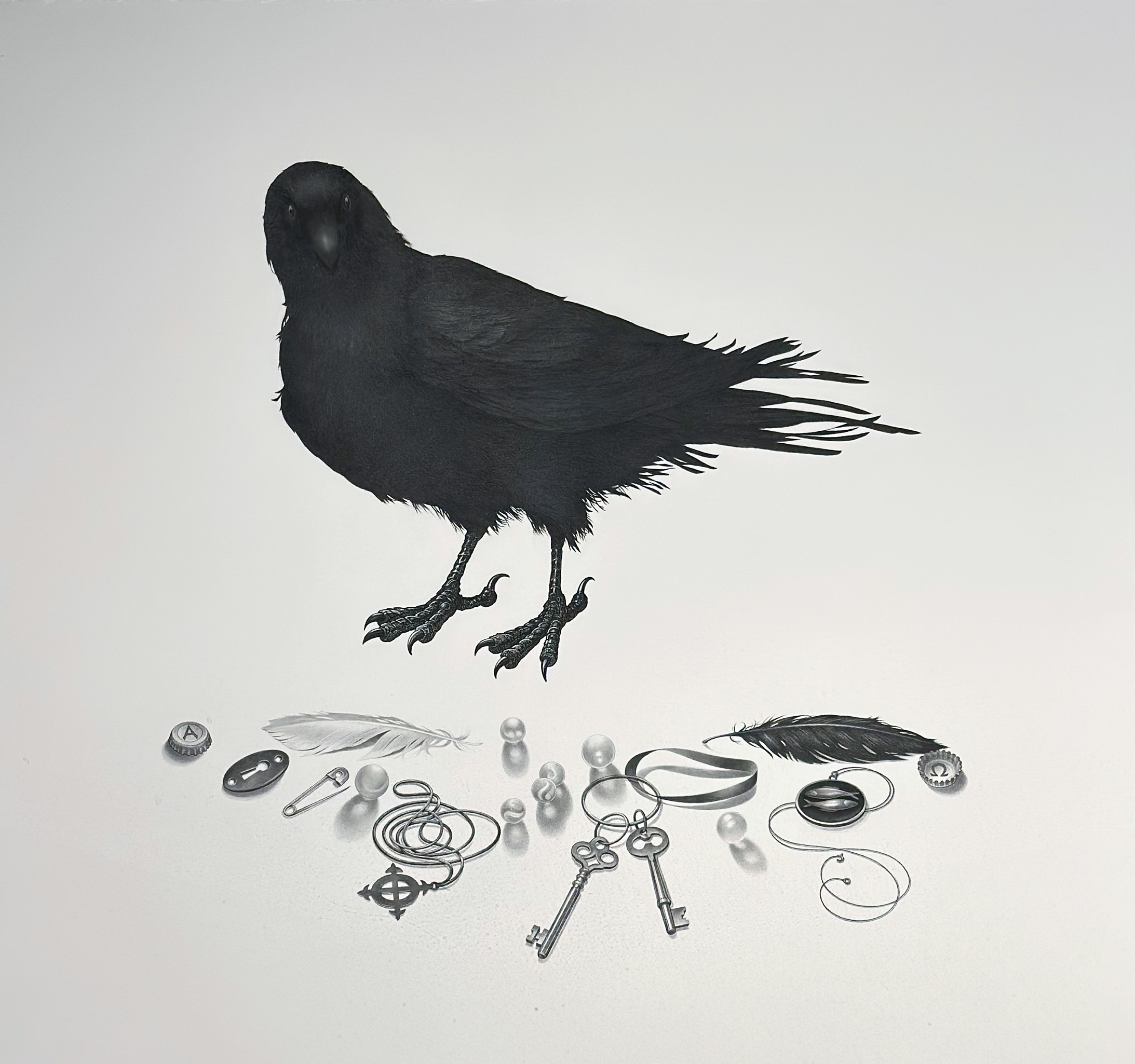
Raven

William Shattuck 

Shaman, 2014

Charcoal on paper 

24"H x 34"W

Collection of Jocelin Hamblett
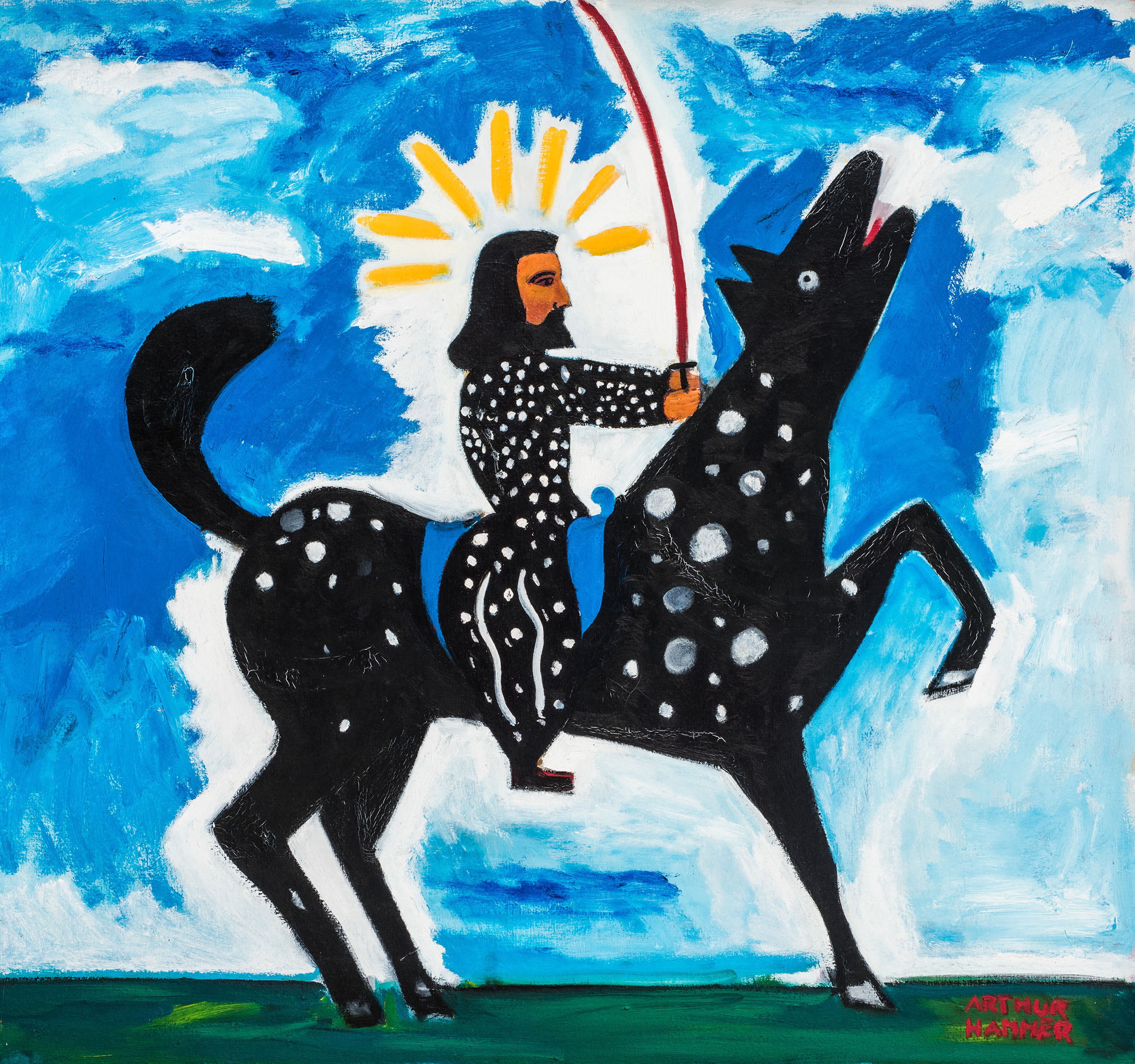
Horse web

Arthur Hammer

El Martillo, 1997

Oil on canvas

47 x 50 in. 

Courtesy of The American Visionary Art Museum (Gift of Hammer and Raymond Harris)
ARTIST STATEMENT
Artist Statement

Drawing, painting and the entire process of creating a visual image is part detective story.....a personal journey of discovery....and an act of pure joy in connecting with both abstract thoughts and what seems like simplicities in nature but turn out revealing much farther complexity than at first thought. Sometimes epiphanies of what can seem obvious but on second thought express deeper truths. Whether in very narrative compositions on religion, psychology, or human nature, drawing allows me to arrange and compose to engage with a responsive chord in people. The actual use of whatever I choose to draw with has it's own characteristics, whether it be charcoal, lead pencil, conte crayon, etc. Each comes to the moment with something to teach...the weight of the line....the turn or the edge of the tool.....the ability to teach me something new.

With painting, I am still very much drawing, from the beginning to the very end. My explorations of the environment I live in pushes me to sketch out sometimes small images quickly and then rearrange or choreograph them in my studio to try and evoke a certain time of day or weather conditions. Working like this, as well in finished drawings can be long and laborious but a great thrill on completion.

ARTIST BIO
Artist Bio

Arthur Hammer was born in 1932 in Cleveland, Ohio. His father sold tires, and his mother was a stay-at-home mom. Hammer, outgoing and extroverted, felt like a misfit in Cleveland and moved to New York City at the age of 18 to pursue an acting career. In New York, he also drove a cab and landed roles in various soap operas, sitcoms, commercials, and made-for-TV movies such as Rage of Angels, which starred Jaclyn Smith. A self-taught artist, Hammer started painting in his mid-20s after his mother gave him a set of paints and eventually gave up acting to make art full-time. He befriended artist Romare Bearden, when the two men had studios on Long Island City, admired the portraiture of Alice Neel, and went on to develop a bold and evocative style of his own. "Everything he did was big, bold, colorful, and upbeat," notes his daughter, Deirdre, who says her father "lived a very hopeful life and was always jazzed about his work. He was also quite a ladies man and a consummate storyteller, who had a story for everything.

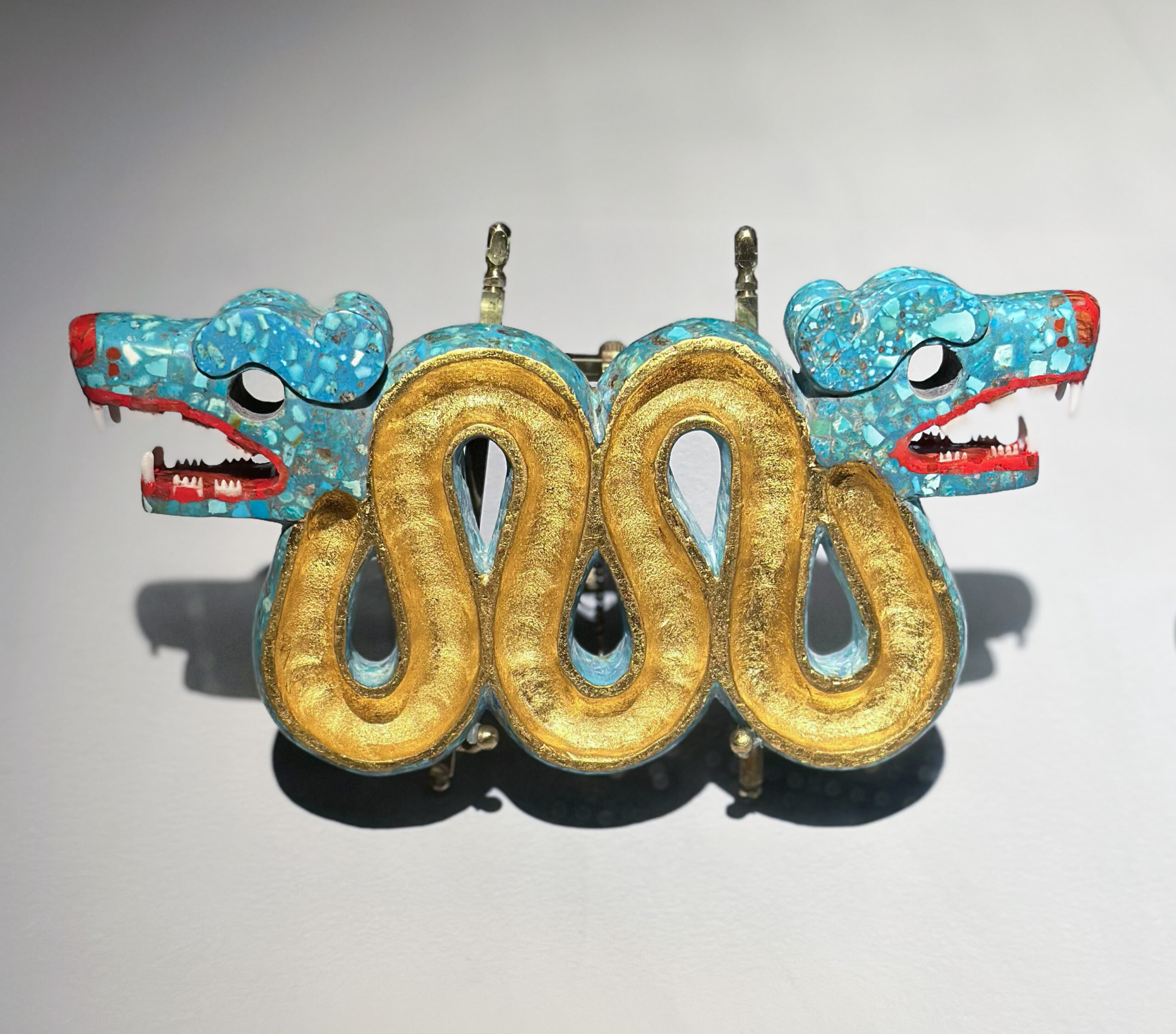
Dragon

Duane Barton

Aztec Serpent, 2026

Turquoise, red and white coral, spondylus oyster, cedar wood and gold leaf

10” x 5” x 2”

ARTIST BIO
Artist Bio

Duane Barton is a self-taught, multidisciplinary artist based in South Dartmouth, Massachusetts. Working with bone, stone, shell, wood, leather, and silver, as well as encaustic and oil paints, he creates work that reflects his fascination with the natural world. He began his career as a muralist and sign painter before developing an interest in technology. Throughout more than four decades in corporate information technology, he has maintained an independent artistic practice, continuing to explore new materials, technologies, and creative expression.