Ana Laura Alba (et al.)
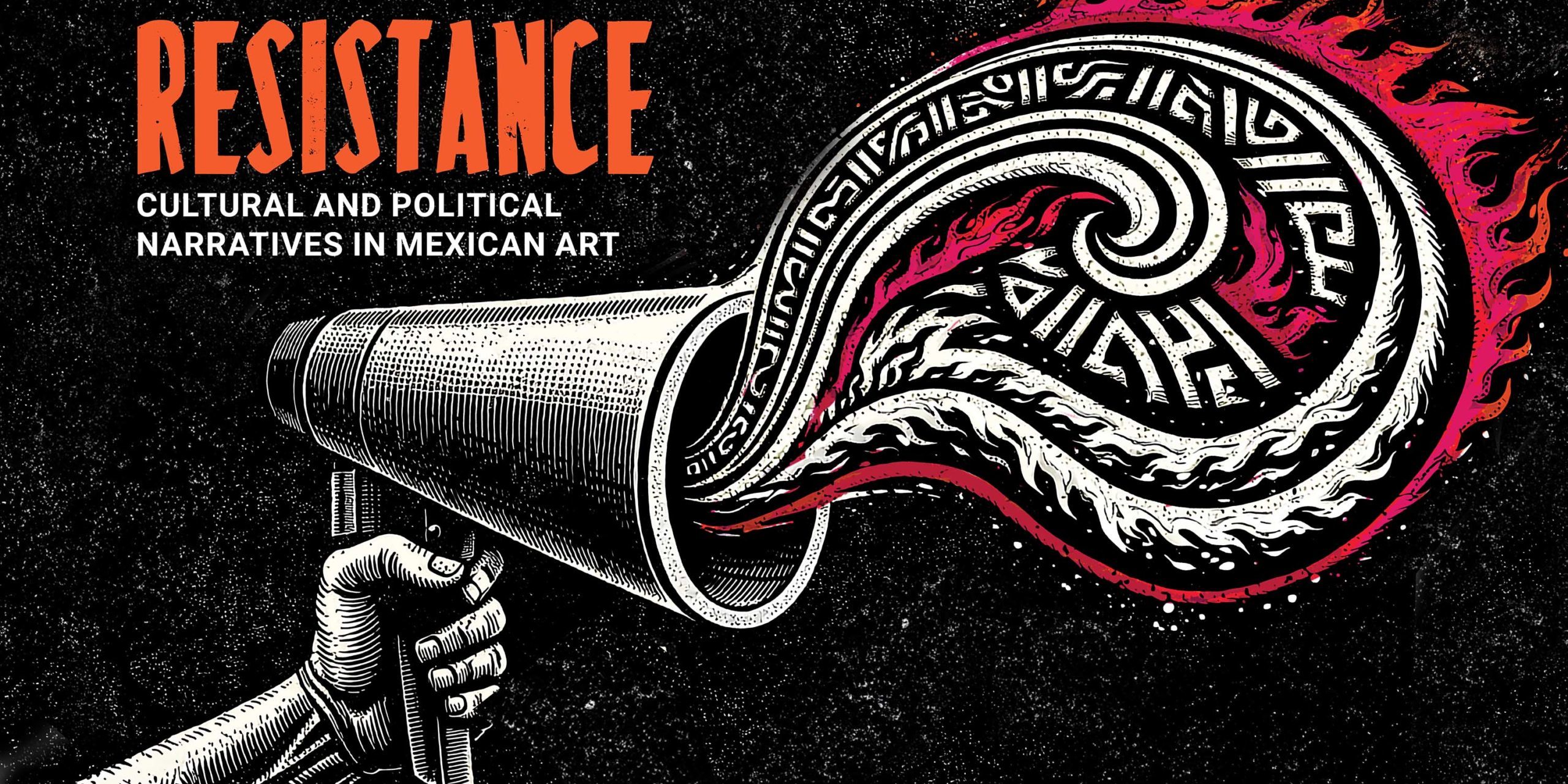
Resistance: Cultural and Political Narratives in Mexican Art
MARCH 12 - MAY 31, 2026
The exhibition features works by contemporary Mexican artists whose practices primarily engage questions of freedom of expression, history, and social justice and serve as public channels of dissent. Through sculpture, installation, performance-based documentation, textiles, and printmaking, the exhibition considers how artists reflect on Indigenous knowledge, collective memory, and contemporary social contexts.
The exhibition includes work by Jacobo and María Ángeles, master Oaxacan wood carvers, best known for their sculptural interpretations of tonas and nahuales—vivid, fantastical wooden sculptures that blend imagination, folklore, and cultural symbolism, drawing on Zapotec cosmologies. Their works stand as both cultural continuity and political assertion in the face of erasure.
The exhibition also features work by Adela Goldbard, whose practice centers on collective memory, power, and the ways history is constructed, erased, or ritualized—often through acts that are both symbolic and materially destructive—and prints
by Mario Guzmán, who utilizes graphic art as a tool for social engagement with a strong emphasis on community,
labor, and political struggle, alongside members of Subterráneos, a collective he leads in Oaxaca, rooted in socially engaged printmaking traditions that address political and community-based concerns.
Renata Cassiano Alvarez presents sculptures from her ongoing series Siempre Voy a Volver (“I Will Always Return”), alongside related works that reflect on memory, migration, and the emotional pull of home. Using intimate materials and hand-built processes, Alvarez creates sculptural forms marked by touch, wear, and repetition. The works suggest bodies, vessels, and domestic gestures without resolving into literal representation, allowing absence and longing to remain central to their meaning.
Resistencia: Narrativas Políticas y Culturales en el Arte Mexicano
12 de Marzo - 31 de Mayo, 2026
La exposición presenta obras de artistas mexicanos contemporáneos cuyos prácticas encargan preguntas de la libertad de expresión, la historia, y la justicia social y sirven como fuentes públicas de disconformidad. A través de la escultura, la instalación, la documentación representada en vivo, los tejidos, e impresión, la exposición considera cómo los artistas reflexionan sobre el conocimiento indígena, memoria colectiva, y contextos sociales.
La exposición incluye obras de Jacobo y María Ángeles, tallistas maestros oaxaqueños, mejor conocidos por sus interpretaciones esculturales de tonas y nahuales—vívidas, esculturas de madera fantásticas que se funden la imaginación, lo folklórico, y el simbolismo cultural, extrayendo de cosmologías zapotecas. Sus obras salen ambos como continuidad cultural y afirmación contra la desaparición.
La exposición también presenta obras de Adela Goldbard, cuya práctica se centra en la memoria colectiva, el poder, y las maneras en que la historia sea construida, borrada, ritualizada—a menudo por actos tanto simbólicos como materialmente destructivos—e impresiones por Mario Guzmán, quien utiliza el arte gráfico como herramienta de compromiso social con un fuerte énfasis en comunidad, labor, y la lucha política, junto a miembros de Subterráneos, un colectivo que guía en Oaxaca, enraizado en las tradiciones comprometidas-sociales de la impresión que tratan de problemas comunitarios.
Renata Cassiano Alvarez expone esculturas de su serie en curso Siempre Voy a Volver, juntas con obras relacionadas que se reflexionan en la memoria, migración, y el tiro emocional del hogar. Utilizando materiales íntimos y procesos hechos a mano, Alvarez genera formas esculturales marcadas por el toque, el uso, y la repetición. Las obras sugieren a cuerpos, vasijas, y gestos domésticos sin resolver en representación literal, permitiendo que la ausencia y el anhelo permanezcan central de la significación.
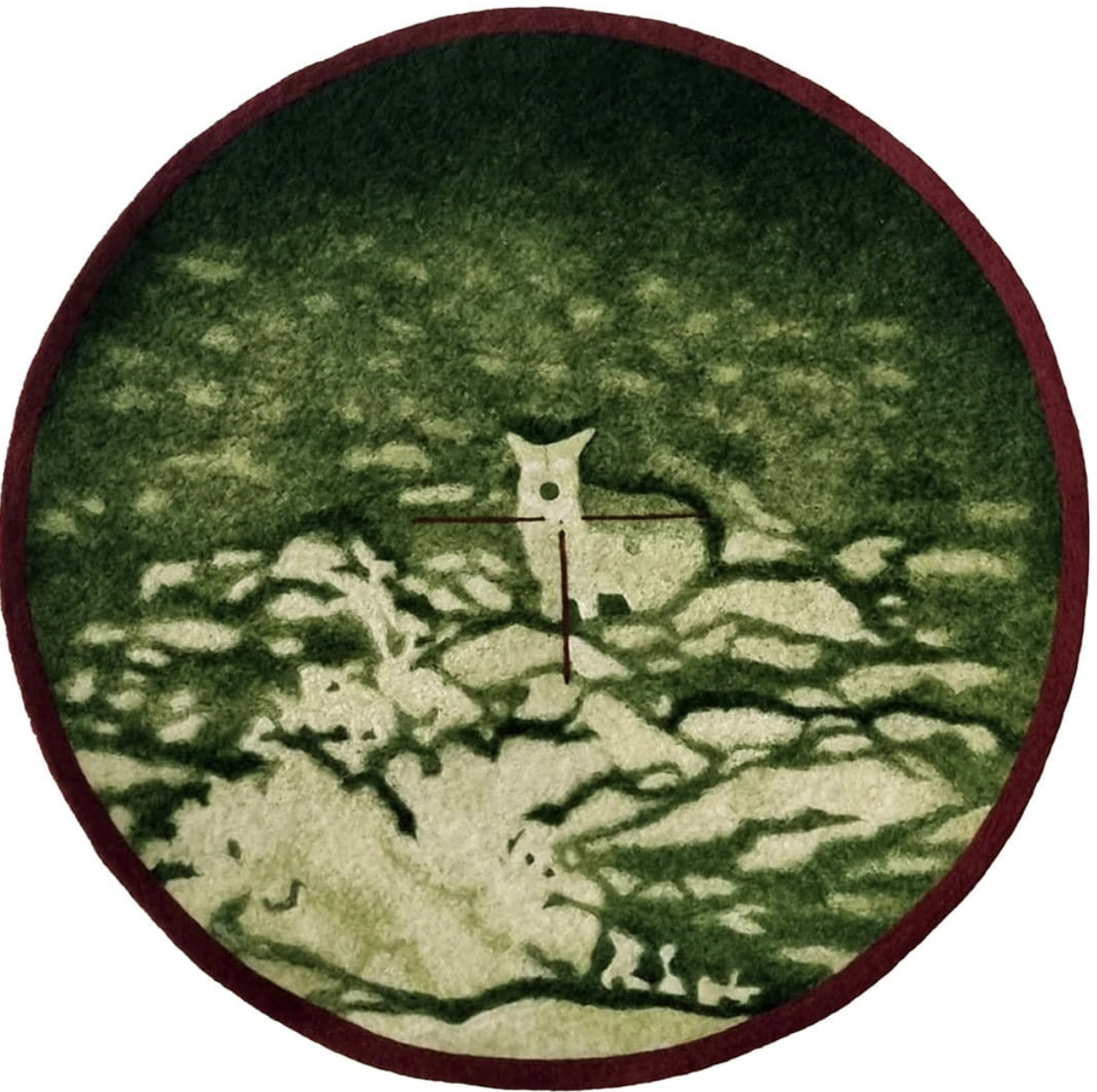
Coyote (Night Vision series) (2024-2025)
Adela Goldbard in collaboration with Blanca Miguel Doquiz & Xochitl Ruiz Nuñez (needlefelting workshop, San Agustín Etla, Oaxaca)
Needle felted textile
36.6 in.
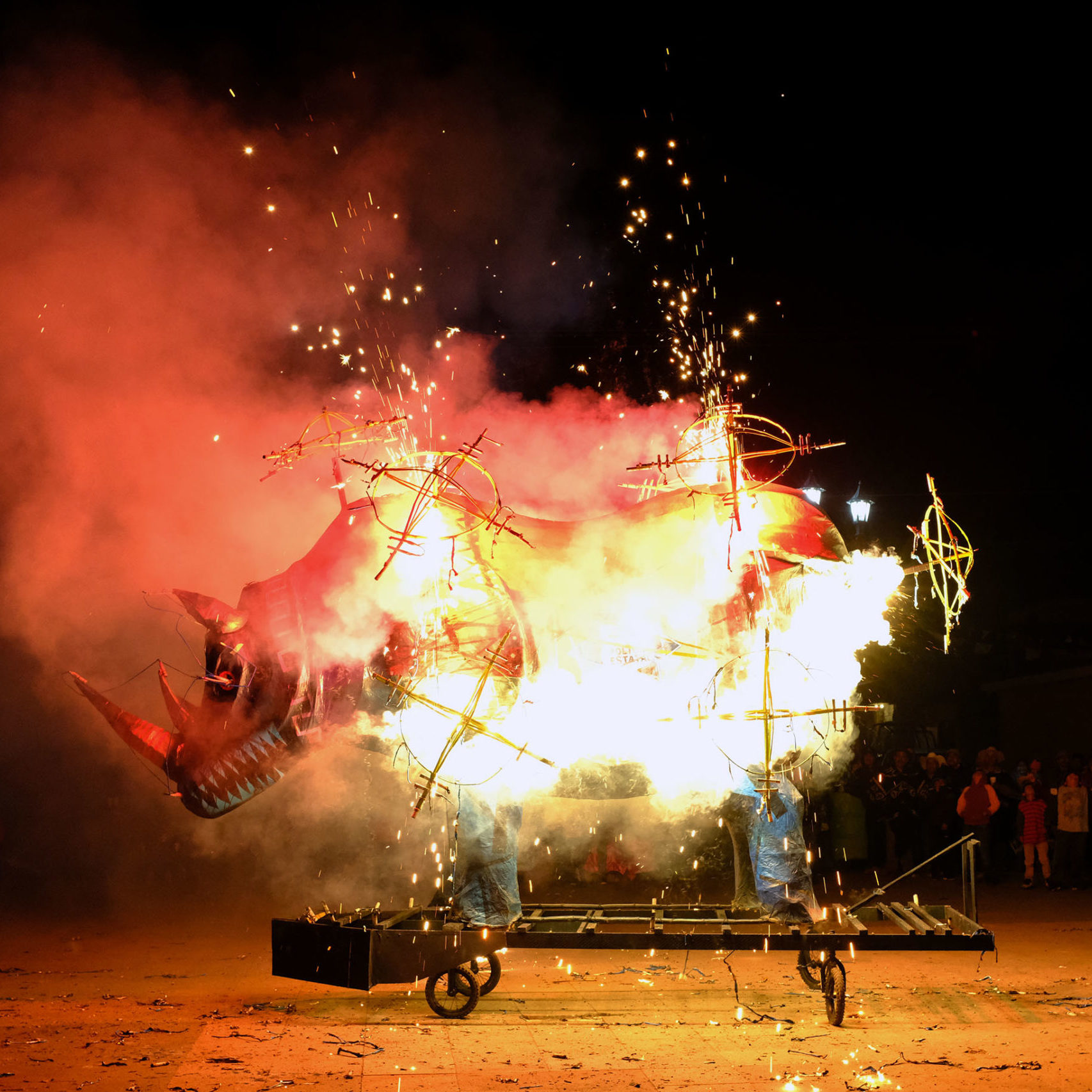
Kurhirani no ambakiti (quemar al diablo / burning the devil): porque sólo así nos escuchan (since that’s the only way they listen to us) (2020)
Adela Goldbard in collaboration with Consejo Comunal Indígena de Arantepacua (Arantepecua's Comunal Indigenous Council)
HD video
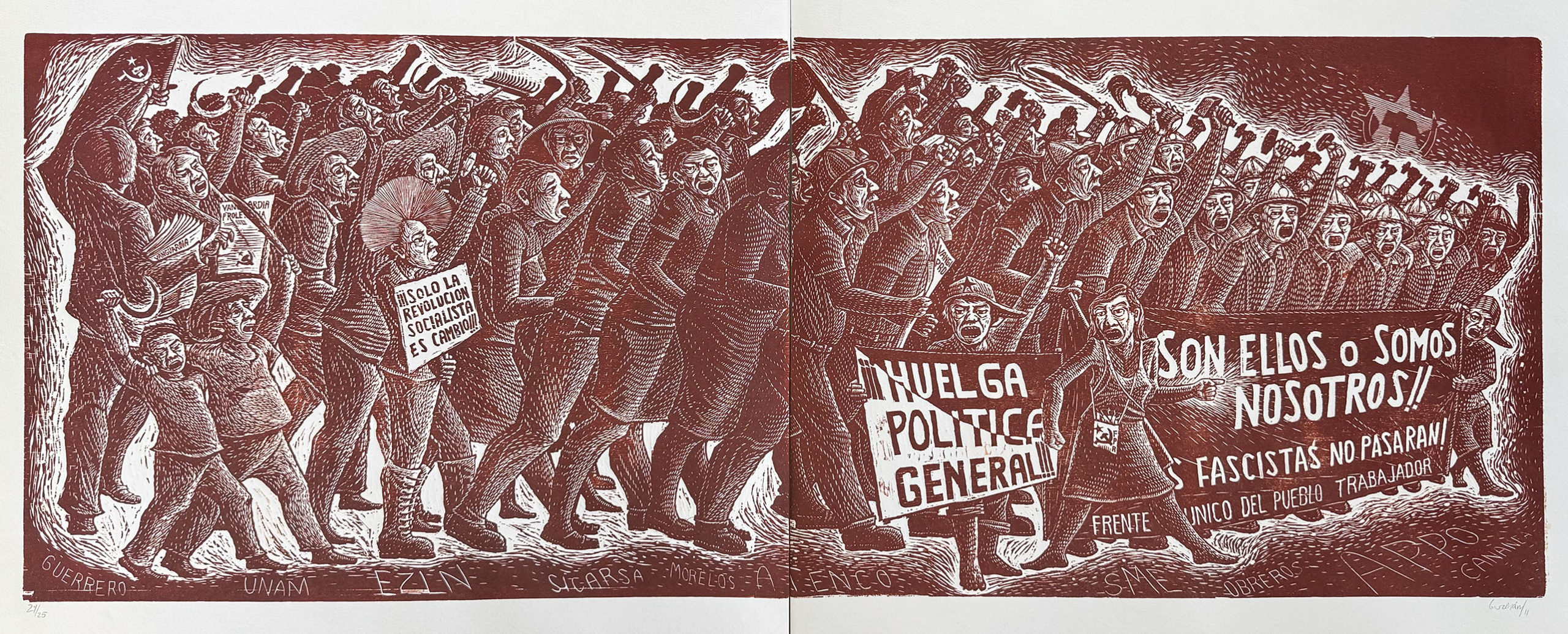
Lucha Obrera (Workers’ Struggle), 2011
Mario Guzmán
Linocut on watercolor paper
62 x 23 in.
Collection of Andrew Mroczek
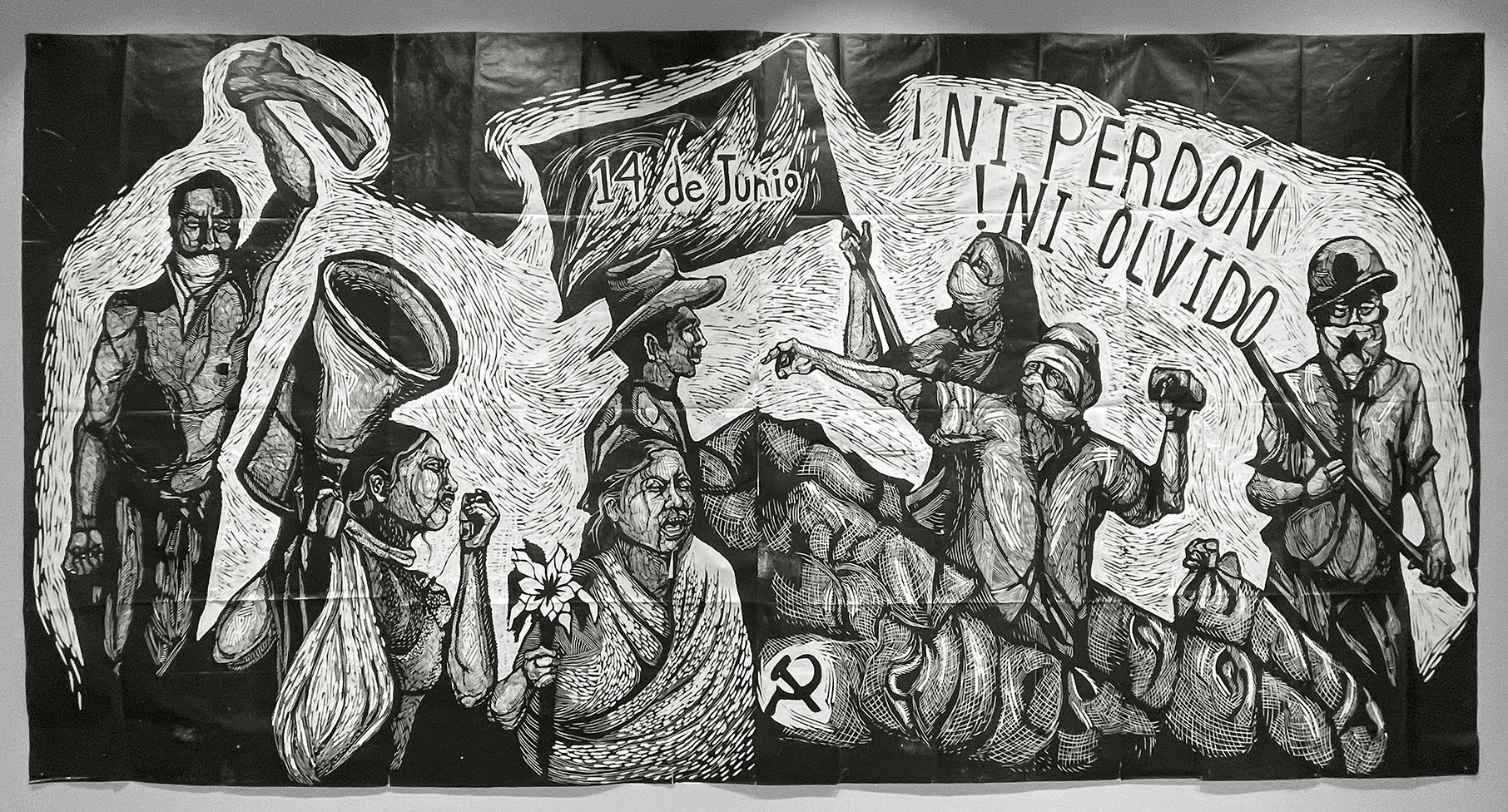
14 de Junio: ¡Ni Perdon, Ni Olvido! (June 14: Neither Forgive, Nor Forget!), 2022
Subterráneos
Linocut on newsprint
16 x 8 ft.
Collection of Andrew Mroczek
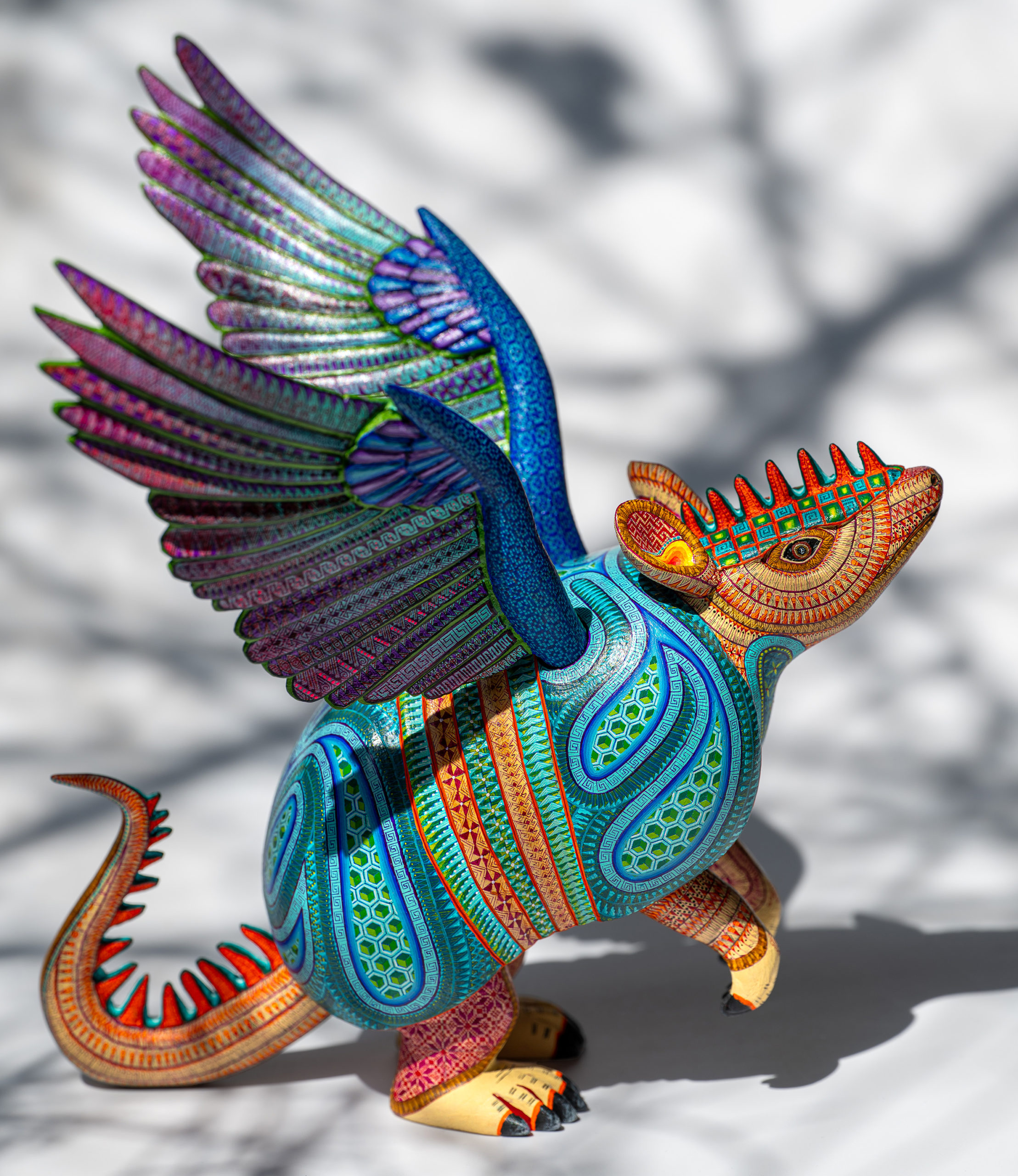
Fusion #6 (Armadillo, Eagle, Iguana), 2026
Jacobo & María Ángeles Workshop (Taller Jacobo y María Ángeles)
Copal wood and paint
8 x 7.5 x 7 in.
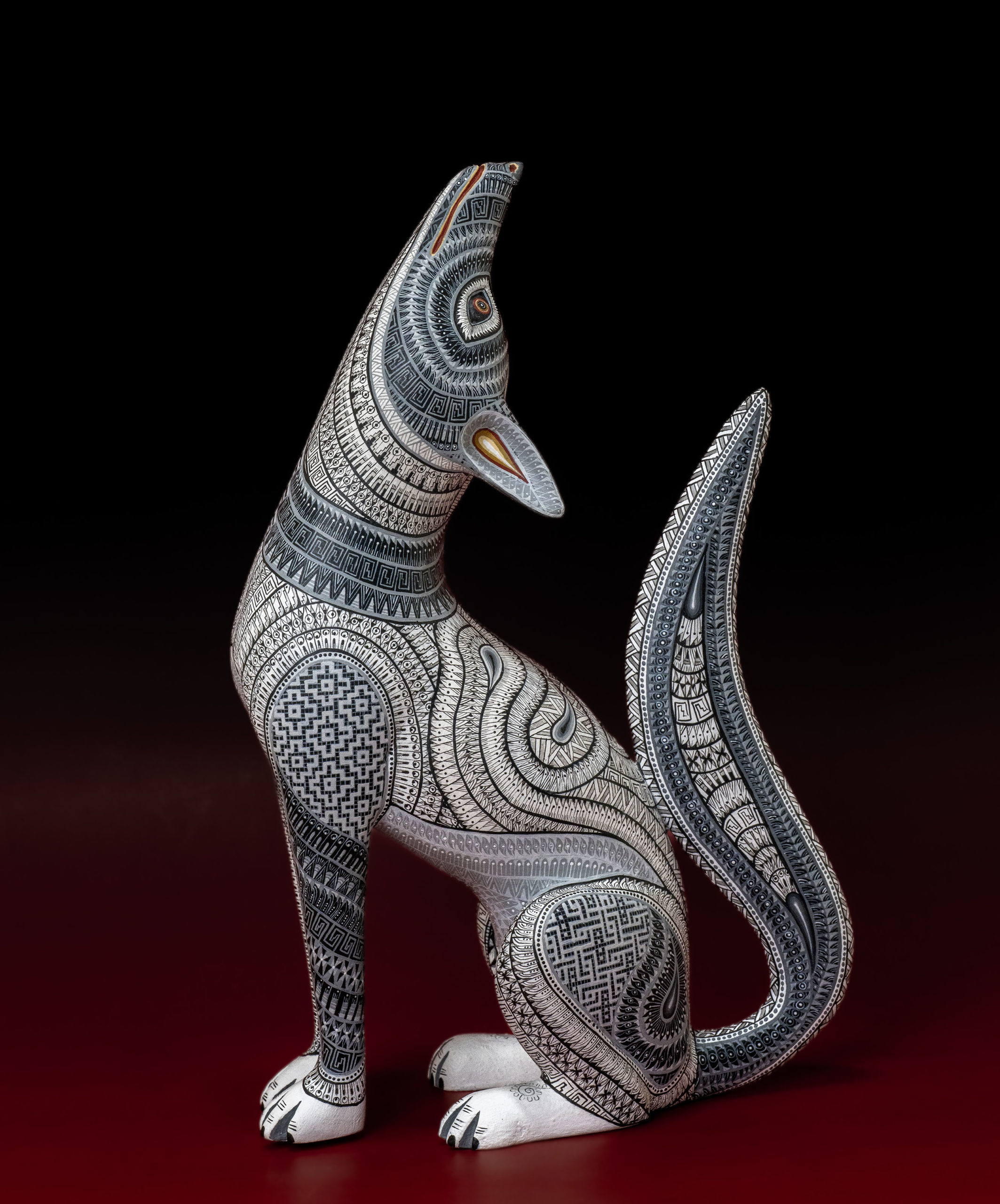
Coyote #12, 2026
Jacobo & María Ángeles Workshop (Taller Jacobo y María Ángeles)
Copal wood and paint
9 x 6 x 3 in.
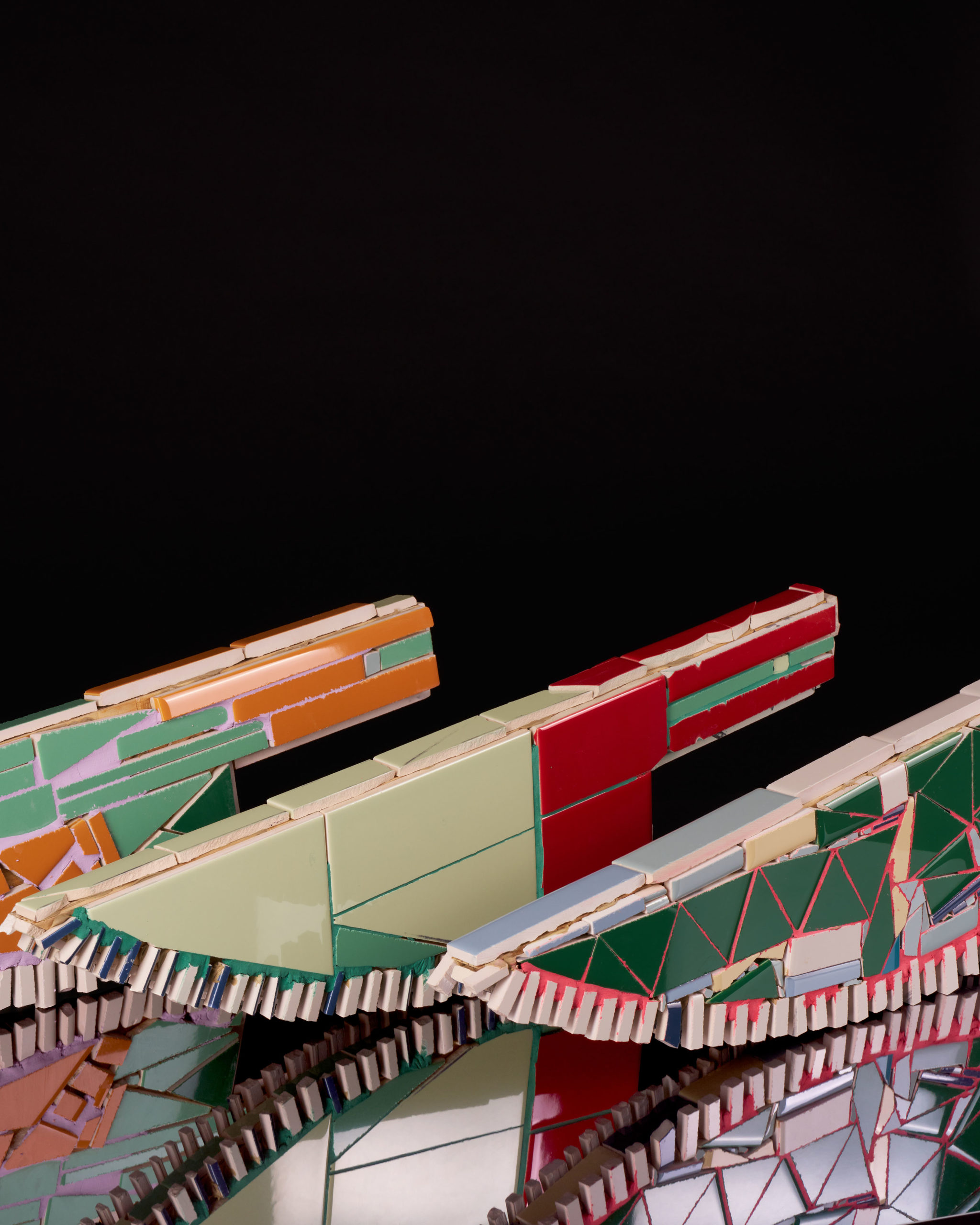
Cardumen de Mojarras Dientonas (3 Pieces), 2025
Renata Cassiano Alvarez
Wood, tile, and grout
23 x 6 x 3 in.
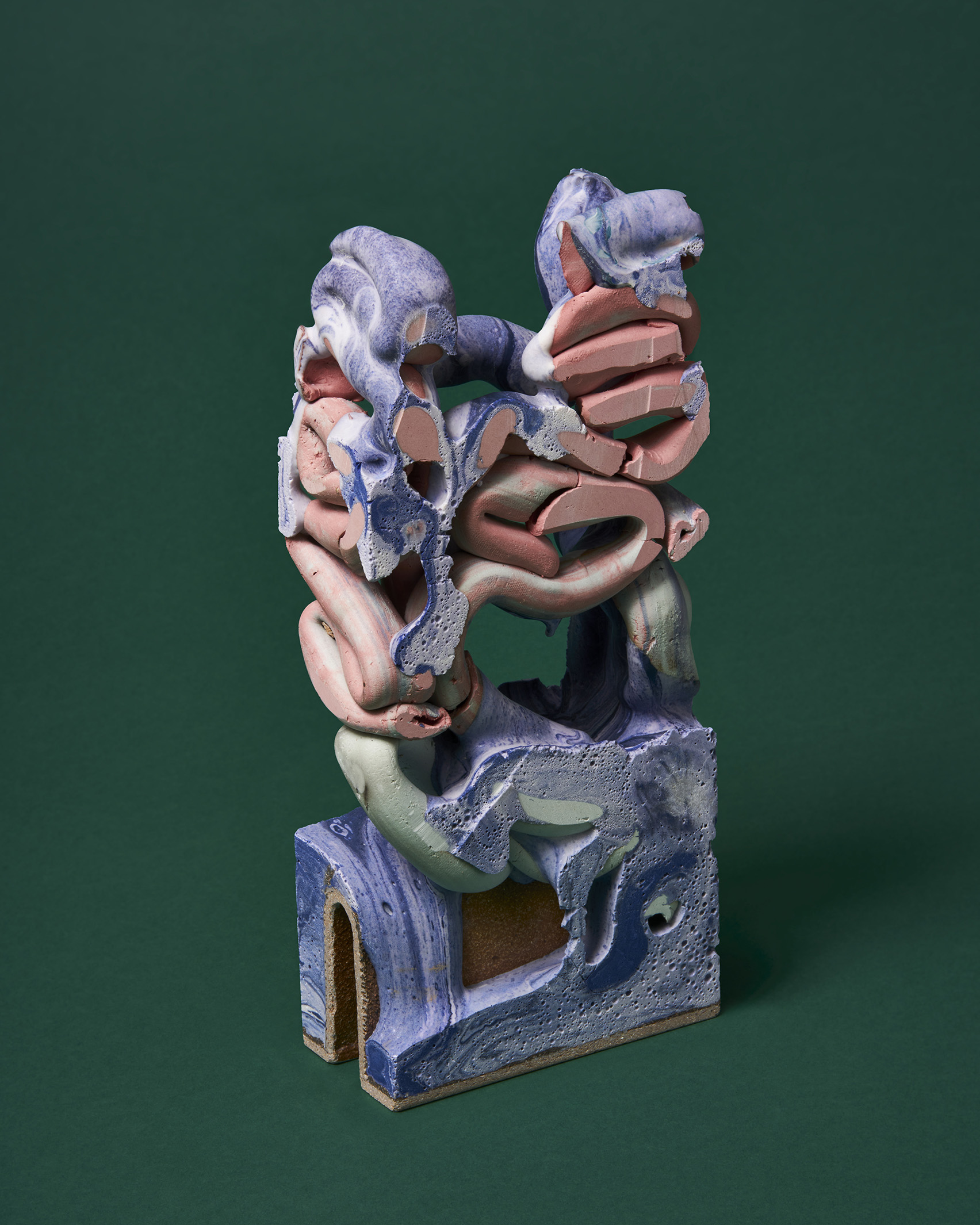
Rostros Como Agua, 2024
Renata Cassiano Alvarez
Ceramic
12 x 8 x 3 in.